Mastering Your Inner Goon
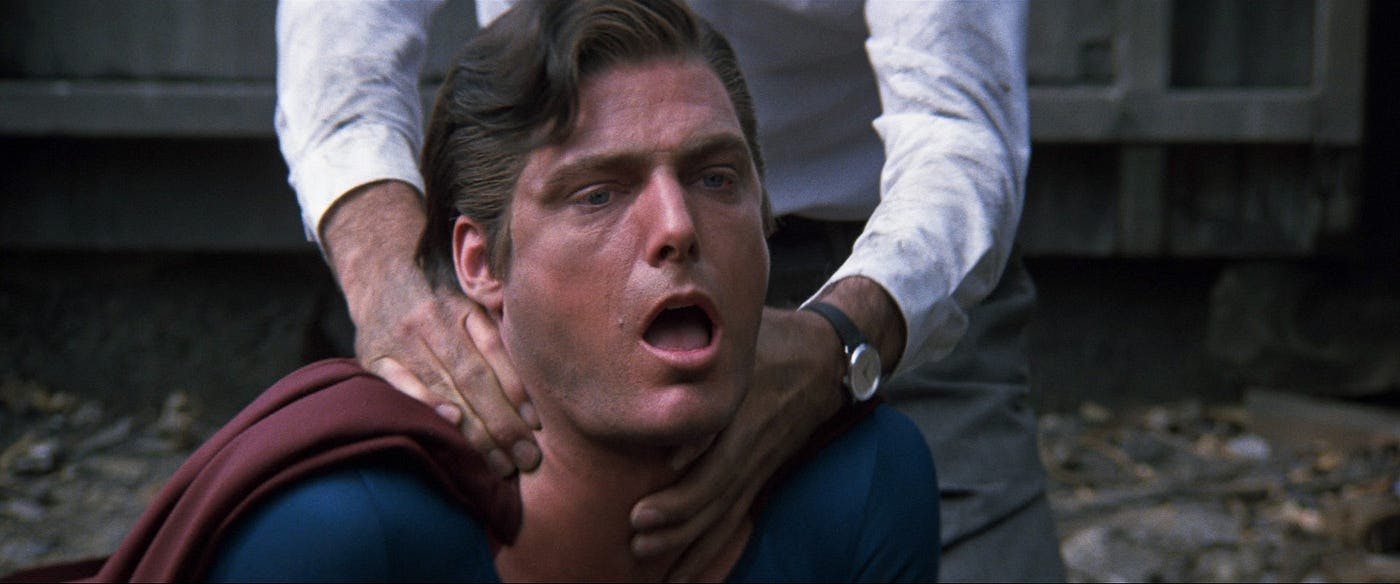
Like Clark Kent confronting his evil reflection, every designer must face their creative demons to unlock true craft mastery
The Voice That Sabotages Great Work
Every designer knows this moment: you're deep in a creative flow state when suddenly that familiar voice emerges. "This concept is derivative." "Everyone will see through your fake expertise." "Why did they even hire you?" That voice—your inner goon—has derailed more promising design careers than bad managers, budget cuts, and scope creep combined.
Across my career working with NBA teams like the Timberwolves and Lynx, media companies like Vox and Forbes, and tech giants including Google, Facebook, and Twitter, I've observed something fascinating: the designers who create genuinely exceptional work aren't the ones who silence that critical voice. They're the ones who've learned to decode what it's actually trying to communicate.
The difference between competent designers and craft masters isn't superior technical skills or trendy tool knowledge. It's sophisticated emotional intelligence—the ability to transform creative anxiety into design insight, to convert imposter syndrome into higher standards, and to channel perfectionist tendencies into iterative excellence.
This capacity becomes essential in our current landscape where AI tools can generate countless design variations but can't evaluate which ones actually solve human problems with elegance and intention.
Your Inner Goon Is Very Intelligent

Working across diverse industries—from sports franchises to media companies to tech platforms—I've witnessed a consistent pattern: emotional disturbance often precedes creative breakthrough. The knot in your stomach before presenting to executives signals that your craft standards are engaged. The irritation when stakeholders dismiss your design rationale indicates that your professional vision is asserting itself. The inadequacy you feel studying exceptional work from other teams reveals your aesthetic sensibilities expanding.
"emotional responses contain design intelligence that no amount of user research or competitive analysis can provide..."
Most designers approach these feelings as obstacles to eliminate through distraction or suppression. They scroll through inspiration galleries, reorganize their design system components, or dive into busy work that provides the illusion of productivity while avoiding the emotional complexity of difficult creative decisions.
But exceptional designers—the ones whose work influences industry standards, whose teams consistently ship products that users genuinely cherish, whose career progression appears effortless—recognize something profound: emotional responses contain design intelligence that no amount of user research or competitive analysis can provide. These feelings encode information about your evolving standards, emerging vision, and developing taste that becomes invaluable when channeled constructively.
Three Levels of Emotional Intelligence
Through observing exceptional creative leaders across various organizations, I've identified three distinct layers where emotional awareness directly impacts design quality. These mirror the fundamental craft dimensions that separate adequate execution from genuine mastery:
Craft Intelligence
Your nervous system processes design decisions faster than conscious analysis. The subtle shoulder tension reviewing interface layouts indicates micro-misalignments before your brain articulates the specific problem. The visceral satisfaction when typography relationships achieve proper hierarchy reflects internalized standards about visual communication. The physical discomfort when color relationships feel unbalanced signals aesthetic principles operating below conscious awareness.
Traditional design education largely ignores these somatic responses, treating them as subjective or unreliable. This represents a massive oversight—your embodied reactions constitute your most immediate and honest feedback system about craft quality.
Core development area: Learning to recognize and trust these physical responses while investigating what specific craft elements they're evaluating.
Vision Intelligence
These emerge during product strategy work and long-term creative planning. The excitement recognizing a design opportunity that competitors have overlooked. The frustration articulating user experience improvements that stakeholders can't yet envision. The deep satisfaction when your design philosophy successfully guides team decisions across multiple project cycles.
Vision-level emotions involve forecasting future user needs and market contexts, requiring confidence in your design judgment balanced with intellectual humility about external variables. Outstanding product designers develop sensitivity to emotional patterns that indicate genuine innovation versus superficial trend-following.
Core development area: Cultivating awareness of which emotional responses signal authentic strategic opportunities versus reactive or defensive thinking.
Taste Intelligence
These responses connect your design work to broader cultural and aesthetic contexts. How specific color palettes evoke particular brand personalities. The emotional associations triggered by typographic choices within different cultural frameworks. The sensitivity required when designing experiences for diverse global audiences with varying aesthetic traditions.
Taste-level emotional intelligence develops through extensive exposure to exceptional work across multiple disciplines—architecture, fashion, cinematography, music—combined with understanding how design choices create emotional experiences for different demographic and cultural groups.
Core development area: Building aesthetic sensitivity that serves user needs and business objectives rather than just personal creative preferences.
AI Makes Emotional Mastery Essential
Generative AI tools have fundamentally altered the creative landscape, but not in the ways most designers expect. The critical factor isn't technical capability—it's emotional regulation during the creative process.
AI amplifies whatever psychological state you bring to design work. Approach these tools with creative anxiety and insecurity, and you'll use them defensively, generating safer, more conventional solutions to avoid potential criticism. Approach with genuine curiosity and confidence in your design judgment, and AI becomes a powerful means for exploring creative territories previously inaccessible to individual practitioners.
The designers achieving exceptional results with AI tools share specific emotional capabilities:
- Evaluating extensive AI-generated options without becoming overwhelmed by infinite possibility
- Maintaining coherent creative vision while rapidly iterating through AI-assisted variations
- Trusting their craft judgment when AI produces technically adequate but aesthetically mediocre results
- Focusing on user value rather than becoming distracted by AI's impressive but potentially irrelevant capabilities
The pattern emerging across multiple organizations: Designers with weak emotional foundations use AI as creative scaffolding, producing work that appears technically competent but lacks authentic human insight. Designers with strong emotional intelligence use AI as creative amplification, maintaining their distinctive design voice while operating at unprecedented speed and scale.
Confronting Your Creative Demons
Every designer encounters high-pressure moments where internal doubts surface with brutal clarity. Usually during critical presentations, major rebrandings, or when studying work from teams you deeply respect. Your internal critic becomes amplified:
- "Everyone here has more natural talent"
- "Your design philosophy sounds pretentious and hollow"
- "You're just recycling ideas from successful projects you've seen"
- "Users don't actually notice the craft details you obsess over"
- "AI will automate away your creative contributions"
The breakthrough insight from leading creative teams across different industries: you don't defeat these voices through suppression or distraction. You defeat them by investigating the legitimate concerns buried underneath the emotional distortion.
That voice claiming "everyone has more talent" might be signaling specific craft skills worth developing or aesthetic knowledge worth acquiring. The concern about recycling other teams' work might be pushing you toward exploring creative territories more aligned with your unique perspective and experience.
The core technique: Instead of battling these internal voices, interrogate them like any other design feedback. What specific actionable information do they contain? What craft improvements or strategic shifts might they be suggesting?
The Emotional Dialogue Method
Adapted from executive coaching approaches I've learned working with leadership teams across various organizations, this technique treats your emotional responses as user research data about your own creative process.
When experiencing creative anxiety, design frustration, or aesthetic uncertainty:
Acknowledge the feeling physically: Rather than immediately seeking distraction through social media or inspiration galleries, pause. Notice what you're experiencing and where it manifests in your body. Chest constriction? Shoulder tension? Restless energy in your hands?
Shift your physical perspective: Stand up and observe your work from a different location. You're transitioning from being inside the emotional state to examining it from outside.
Inquire with genuine curiosity: What might this feeling be communicating about your design standards? What craft element or strategic consideration could it be highlighting? Approach this as authentic investigation, not self-judgment.
Extract the design signal: Often the emotional response contains specific actionable insights. "This color palette feels wrong" might be detecting brand inconsistency. "This interaction feels clunky" might be identifying usability problems before user testing reveals them.
Convert to creative action: Use the emotional intelligence as input for design iteration. Treat it as another tool in your creative toolkit, not an obstacle to overcome.
Managing Difficult Stakeholders
One of the most practical applications of design emotional intelligence: navigating challenging stakeholders who seem determined to undermine quality design work. Typically these are individuals who lack authority to override your design decisions but attempt to erode your creative confidence through persistent criticism or unreasonable demands.
The approach: visualize them as a small, agitated dog behind protective glass. They're generating considerable noise, but they cannot actually damage you or compromise your work quality. Your responsibility isn't convincing the dog to stop barking—it's continuing to execute exceptional design work while protecting your creative energy.
This technique only functions when you possess genuine confidence in your design judgment and craft standards. If you're uncertain about your design decisions, the dog will appear threatening rather than merely irritating.
The essential insight: Strong emotional regulation enables you to receive legitimate design feedback while filtering out noise that originates from other people's insecurities or political agendas.
AI as Creative Partner
Once you've developed solid emotional awareness and regulation, AI transforms into a powerful tool for design development. But not through the obvious applications most people expect.
I've been experimenting with using AI as a creative dialogue partner for working through complex design challenges. When feeling uncertain about a design direction or stuck on a particular interaction problem, I'll structure it as a conversation:
"I want to explore a design challenge where I'm feeling uncertain about the interaction model for this complex workflow. I'd like you to play the role of a skeptical user who doesn't understand why this approach would be superior to simpler alternatives."
This creates space to work through design reasoning without the social pressure of presenting to stakeholders before you're ready. AI becomes a safe environment for testing creative ideas and exploring design logic.
The critical point: This only works when you maintain creative ownership and design judgment throughout the process. AI helps you think through possibilities, but you still need strong craft standards and vision clarity to evaluate what's worth pursuing.
Building Emotional Intelligence
Based on my experience coaching designers at various career stages across different industries, here's how to systematically develop emotional mastery that serves your creative work:
Junior Designers
Focus on emotional awareness: Begin noticing your physical and emotional responses to design work—both your own and others'. These responses contain valuable intelligence about your developing taste and craft standards.
Practice creative uncertainty tolerance: Learn to sit with ambiguous design challenges without immediately seeking external validation. Creative confidence develops through successfully navigating unclear project requirements.
Study your emotional patterns: Notice which types of design problems trigger anxiety versus excitement. This data helps you understand your natural creative strengths and growth areas.
Mid-Level Designers
Develop emotional vocabulary: Learn to articulate what specific aspects of design work create different emotional responses. This precision helps you communicate design intent and rationale more effectively.
Practice stakeholder emotional intelligence: Learn to read the emotional subtext in design feedback and client conversations. Often the surface-level critique isn't addressing the real underlying concern.
Use emotions as design input: Begin treating your emotional responses as legitimate data points in the design process, not obstacles to overcome.
Senior Leaders
Master emotional regulation under pressure: Learn to maintain design vision and craft standards even when organizational pressures push toward compromise or shortcuts.
Create emotionally intelligent team culture: Help other designers develop their emotional intelligence through modeling, coaching, and creating psychological safety for creative risk-taking.
Integrate emotional intelligence into design process: Build team practices that capture and utilize emotional responses as design feedback alongside traditional user research methods.
Your Creative Identity
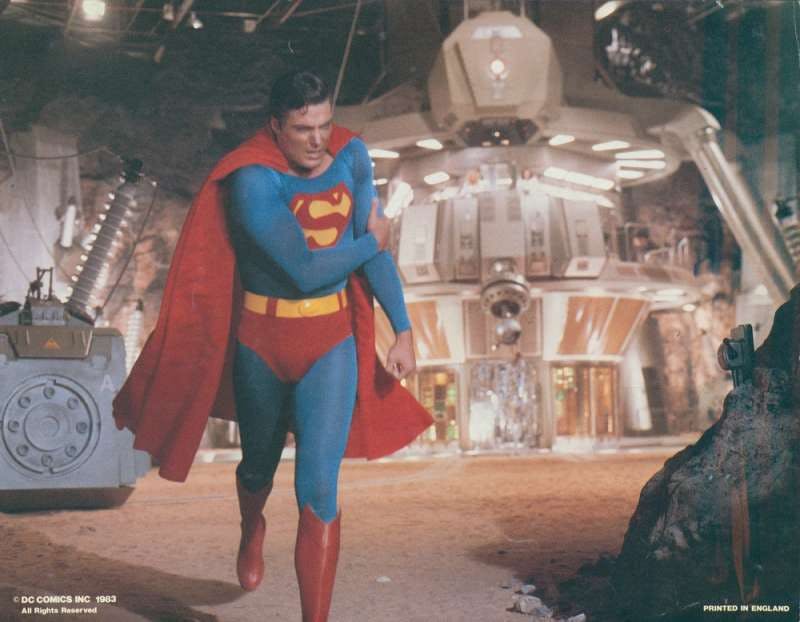
Like Superman discovering that his greatest power comes not from defeating his dark side once, but from the ongoing choice to use his abilities in service of something larger than himself, design emotional intelligence is a practice, not a destination.
Your inner goon will never completely disappear. The voices of doubt, comparison, and creative insecurity are inherent to the human creative experience. But you can learn to transform them from creative obstacles into creative fuel.
The designers creating the most influential work—the ones whose portfolios make you pause, whose teams consistently ship products that users genuinely love, whose career trajectories appear effortless—have all mastered this transformation. They've learned to face their creative demons and emerge with their authentic design identity intact.
In a world where AI tools make technical execution increasingly accessible, the designers who thrive will be those who've developed sophisticated emotional intelligence around their creative process. They'll use emotions as design data, maintain creative vision under organizational pressure, and leverage AI tools from a place of creative confidence rather than creative insecurity.
The fundamental truth: Master your inner goon first, then add AI acceleration. Without the foundation of emotional intelligence, even the most powerful tools become creative crutches rather than creative amplifiers.
But with that foundation in place? You become capable of extraordinary creative work while staying grounded in human insight that no AI can replicate.
Your mirror scene is waiting. Time to face your reflection and reclaim your creative superpowers.
Finding Your Design Co-Pilot
This work of mastering emotional intelligence as a designer can feel isolating. I've dedicated my post-industry career to helping designers develop these capabilities—not as some influencer chasing followers, but as a genuine design co-pilot who's earned respect through actual work: shipping products at scale, leading creative teams, and maintaining design quality in complex organizations.
If you're working on developing your emotional intelligence or building more sophisticated craft standards, follow me on LinkedIn and reach out directly—I respond to every message and genuinely enjoy helping designers at all career stages.
Acknowledgments
Thank you for reading this far. You are the real MVP.
And if anyone would like to gift me a Rivian...here you go